Discover Tsumo Omakase
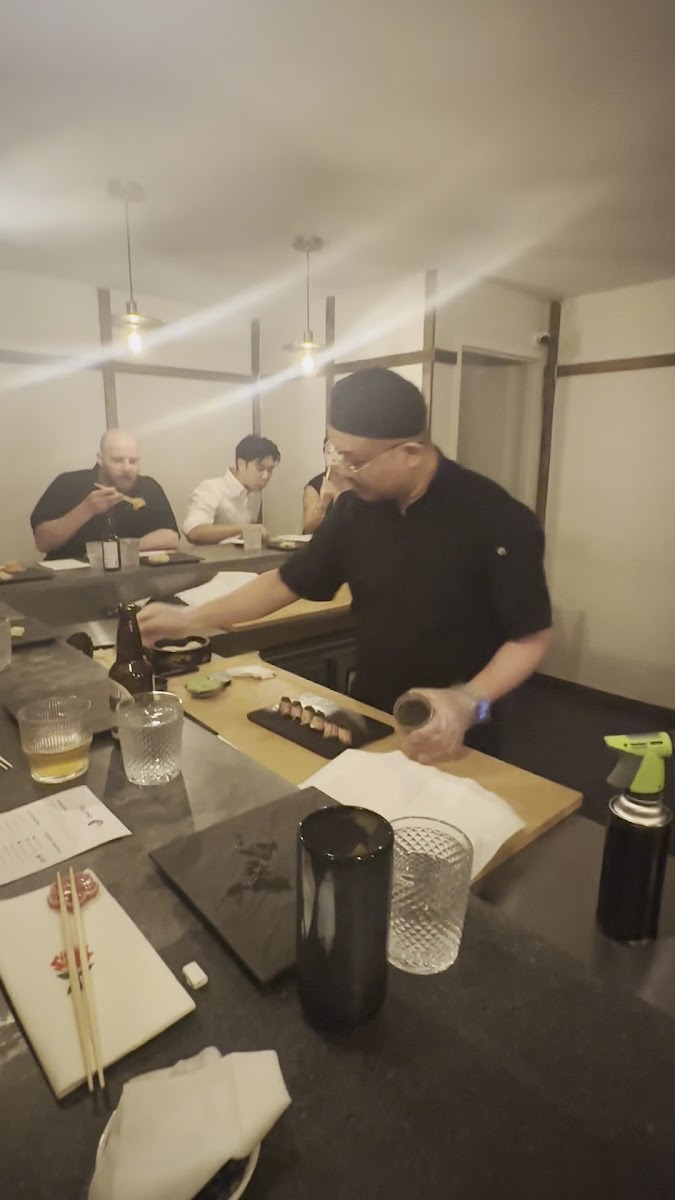
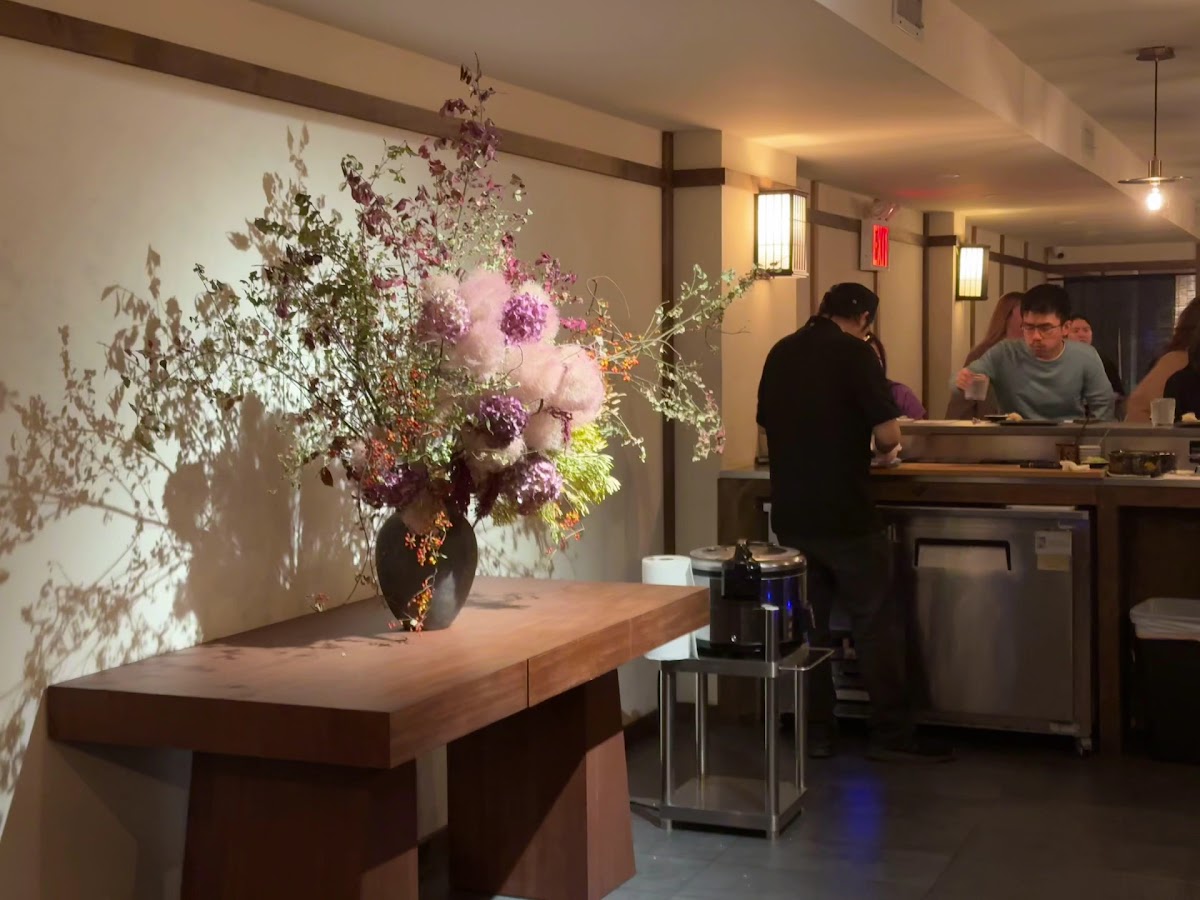
If you’ve ever wandered down 28th Street looking for something that feels both special and unfussy, the first thing you’ll notice about Tsumo Omakase is how quietly confident it feels from the moment you step inside at 132 E 28th St, New York, NY 10016, United States. The room is intimate, the counter polished like glass, and the chefs move with the kind of calm focus that usually only comes after years of repetition.
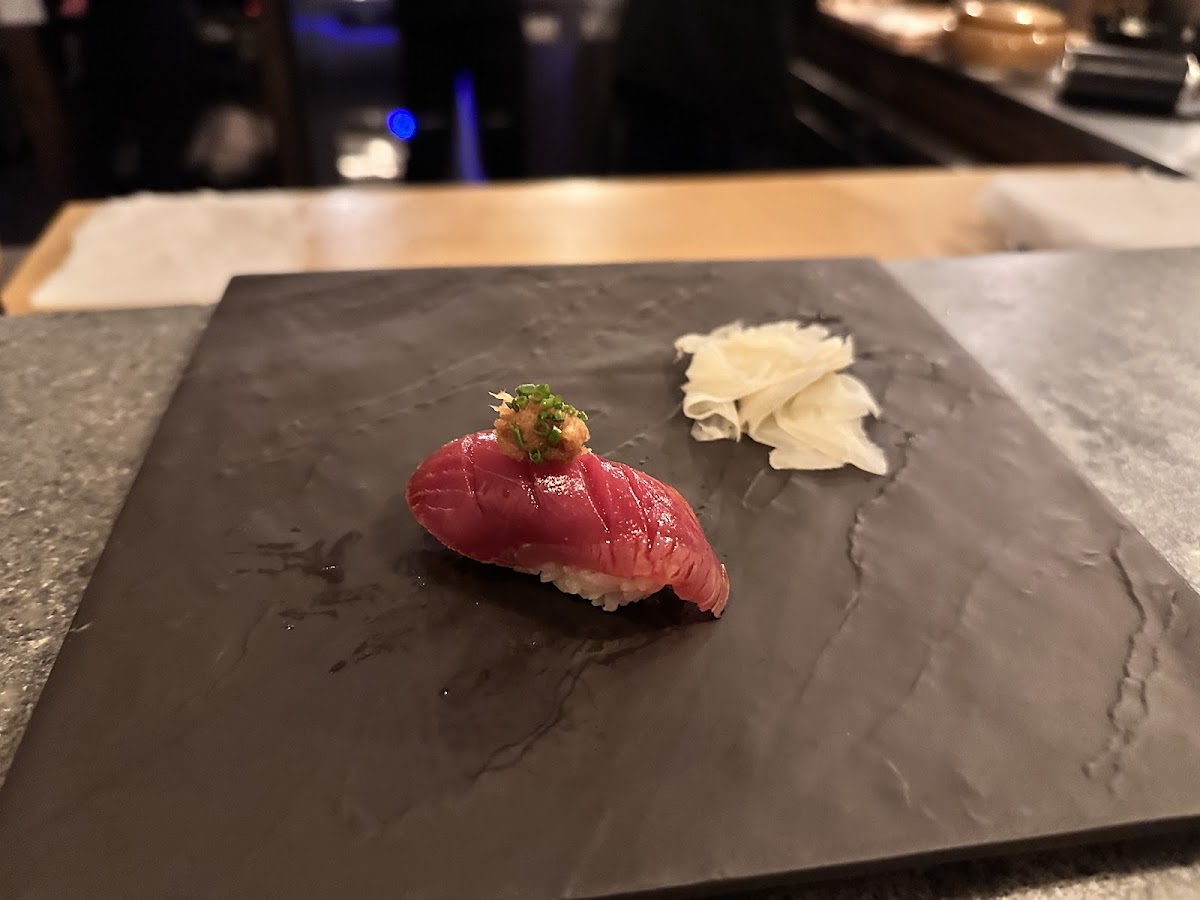
I’ve eaten omakase all over Manhattan, from the flashy Midtown spots to the hidden basements downtown, but this place stood out during my third visit last fall. A chef named Hiro explained how they source fish daily from Toyosu Market in Tokyo and from local New York distributors. According to data published by the Japan External Trade Organization, over 60% of premium-grade tuna used in U.S. high-end sushi restaurants still comes through Toyosu, and you can taste that difference in the silky texture of the otoro here.
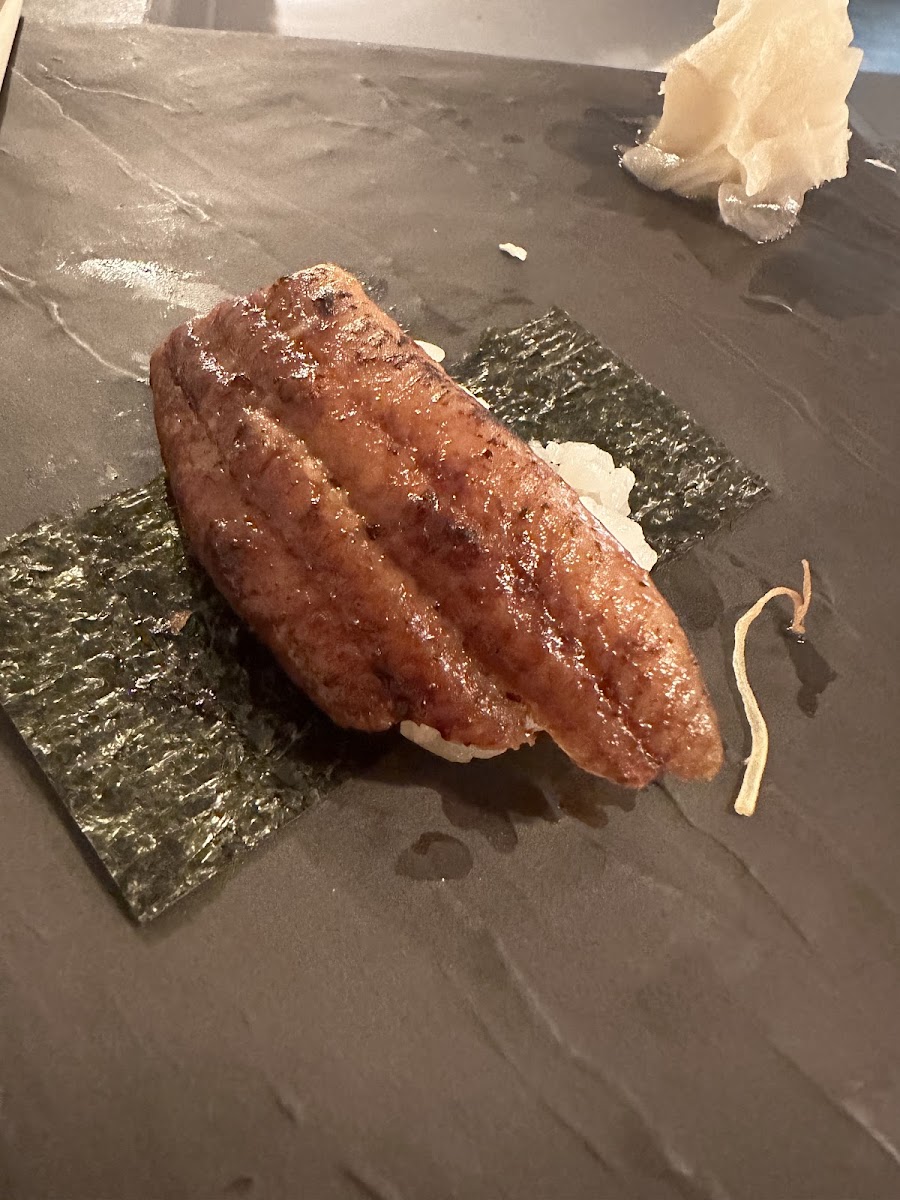
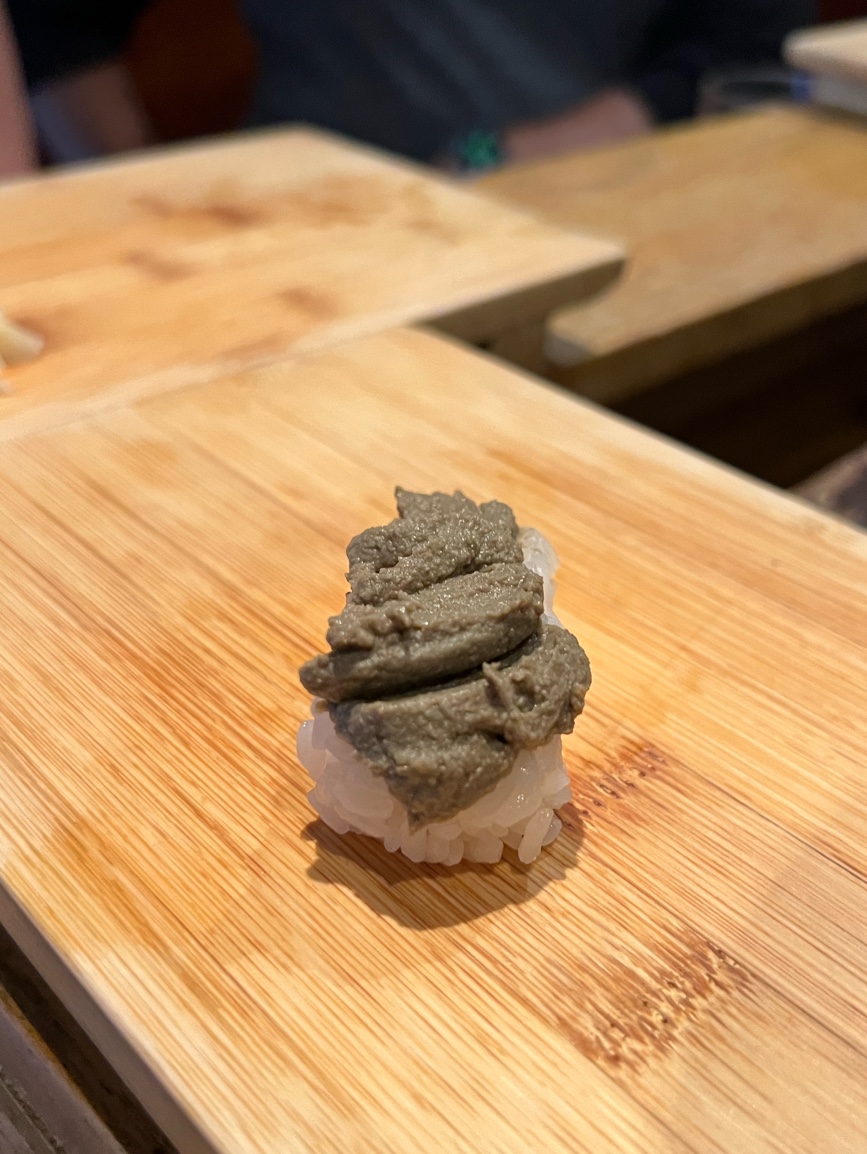
The menu isn’t printed; it’s performed. You start with something gentle, often a piece of hirame brushed with citrus, and then the tempo builds. On one visit, I watched a couple at the counter who were clearly new to omakase. The chef walked them through the process, explaining how rice temperature changes flavor release, a technique backed by research from the Culinary Institute of America showing that sushi rice between 37-40°C allows vinegar aromas to bloom more fully. It sounds nerdy, but it’s exactly why the nigiri here tastes layered instead of flat.
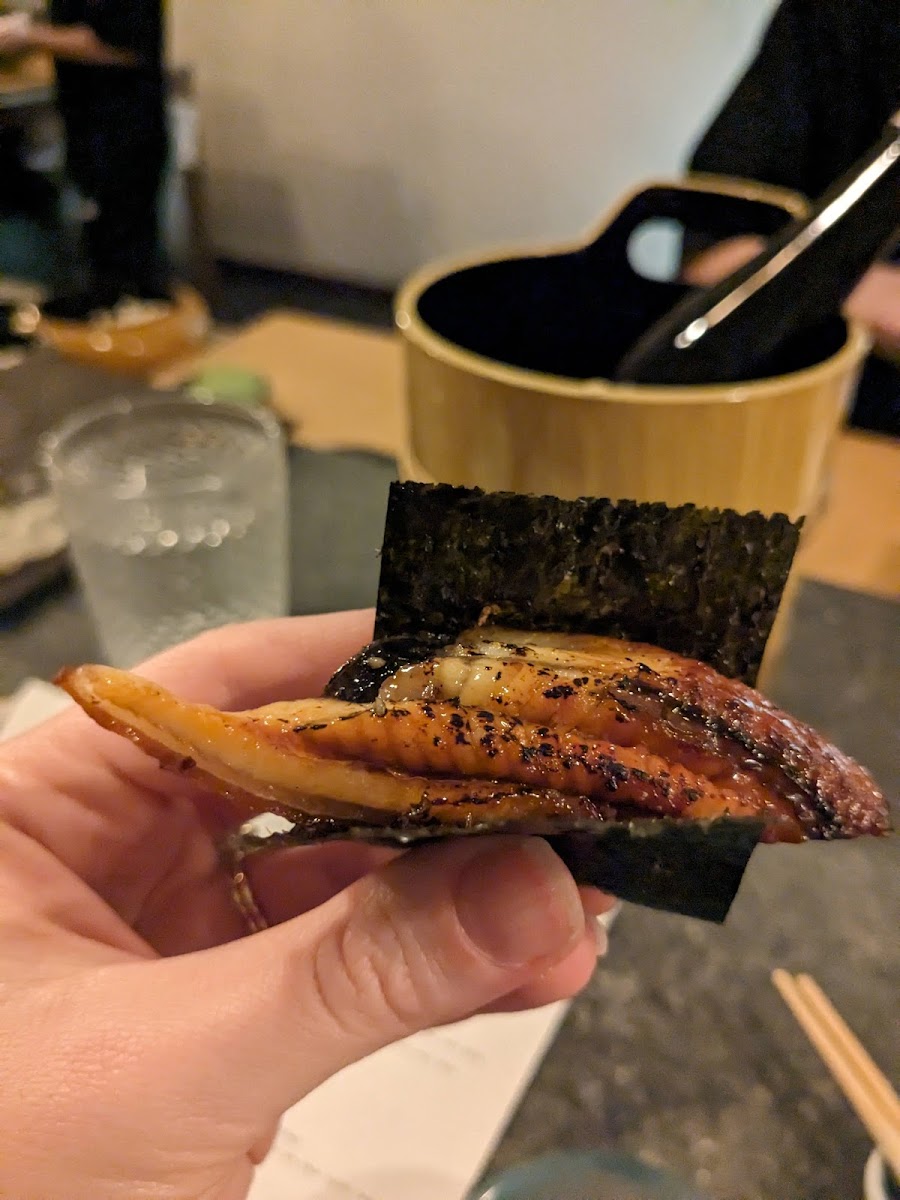
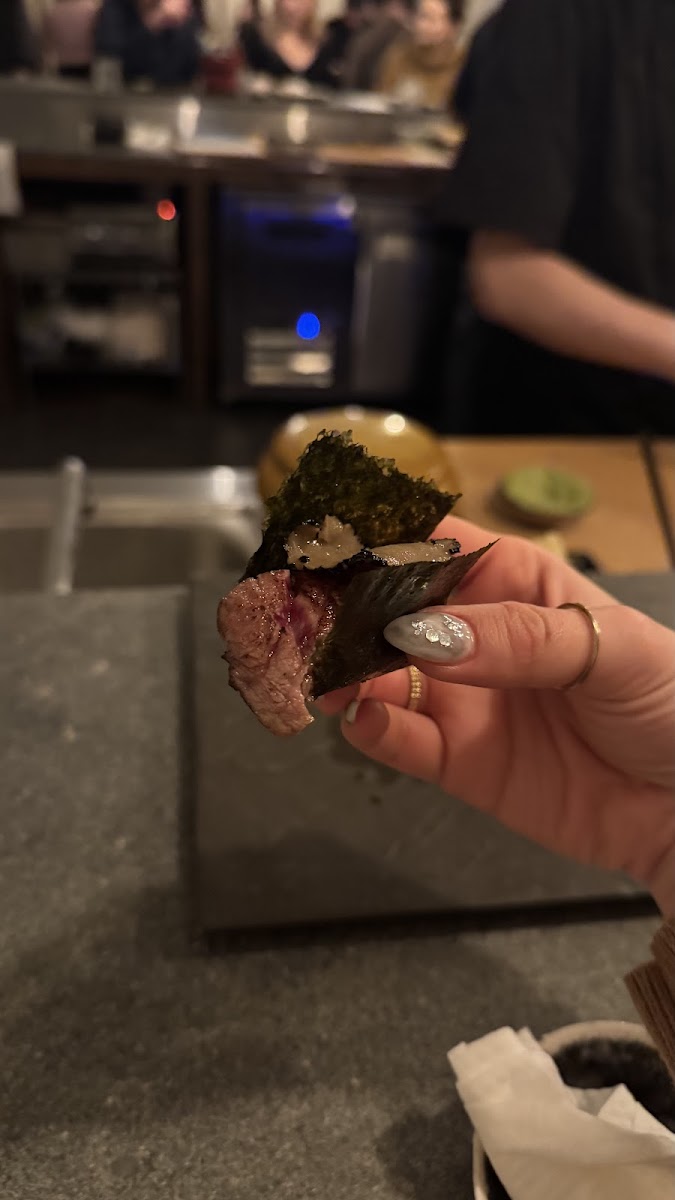
What makes the experience memorable is the rhythm. The chefs don’t rush, but they don’t stall either. Each piece lands in front of you right when it should, still warm from the hands that shaped it. One of my favorite moments was when they served what they called chef’s choice toro hand roll. There was no menu description, just a quick smile and a reminder to eat it immediately. The crunch of the nori and the melt of the fish felt choreographed.
Reviews online often mention the quiet atmosphere, and that’s accurate. It’s not a party spot. It’s where you go when you want to hear the slice of a knife through tuna. The Michelin Guide has repeatedly emphasized how omakase counters thrive on this intimacy, and Tsumo fits that profile. Still, I should note a limitation: seating is limited, so walk-ins are rare. Reservations are the safer bet, especially on weekends.
In terms of locations, this isn’t a chain with multiple outposts. It’s one room, one counter, one team. That singular focus shows up in the details. During a winter visit, the chef mentioned adjusting the seasoning slightly because cold weather dulls taste perception, a phenomenon documented by food scientist Dr. Charles Spence at Oxford. It’s small talk, sure, but it signals how deeply they think about their craft.
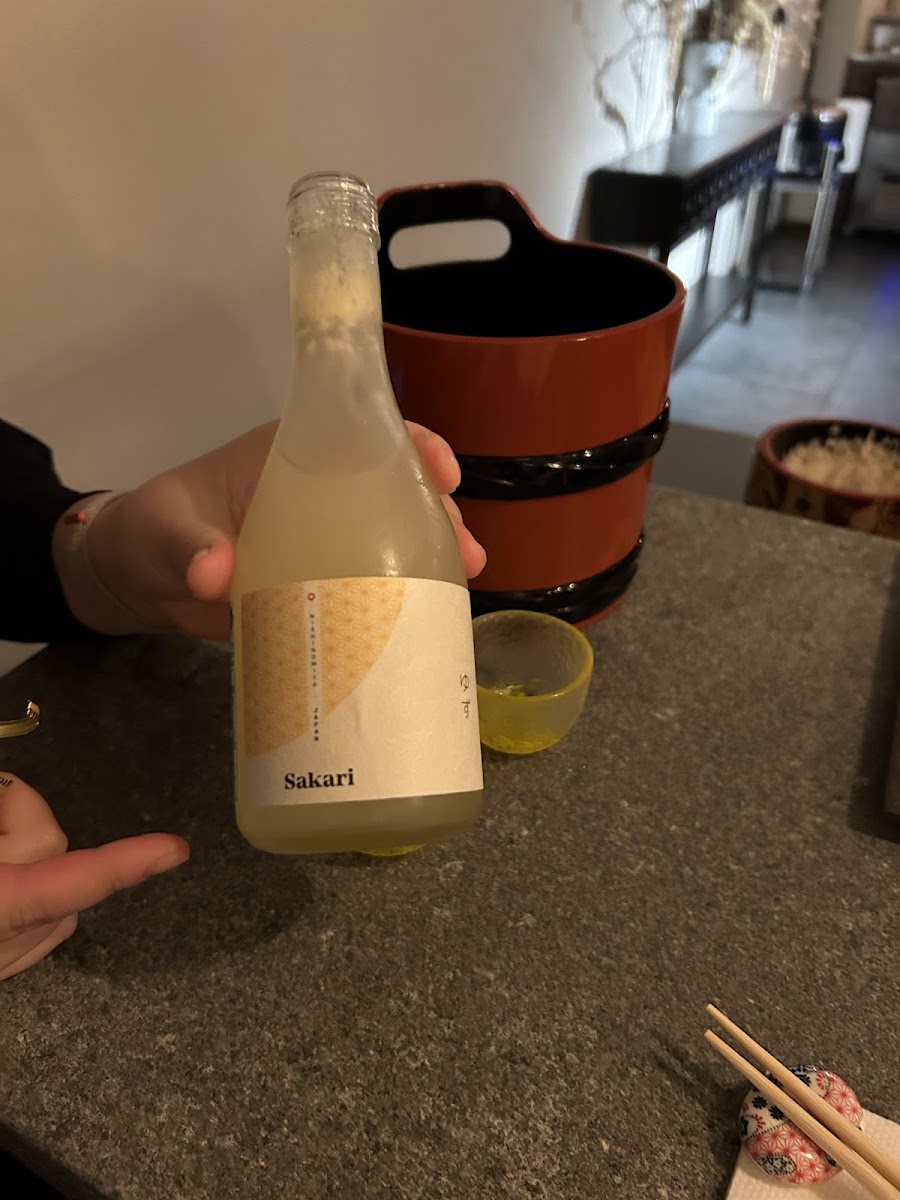
Prices sit in the mid-to-high range for New York omakase, but the value becomes clear when you consider portion quality and sourcing. You’re not paying for theatrics or neon signage; you’re paying for fish that’s been aged just enough, rice that’s seasoned with restraint, and a menu that evolves quietly with the seasons. The dessert course, usually something light like yuzu sorbet, feels like a reset button rather than an afterthought.
If you scroll through reviews, you’ll see repeat customers calling out the same chefs by name, which says a lot in a city where restaurant staff turnover is the norm. I’ve personally seen the same core team on every visit over the last year. That consistency builds trust, and in dining, trust is everything.